Saxophone Ligatures
The following is a list of ligatures that are upgrades over the standard “Rovner” model that most players begin with.
⭐ = ligature Dr. Rosenberg currently uses
Vandoren Optimum
- Nice single-screw mechanism for tightening.
- Comes with three inter-changeable plates for different sound qualities.
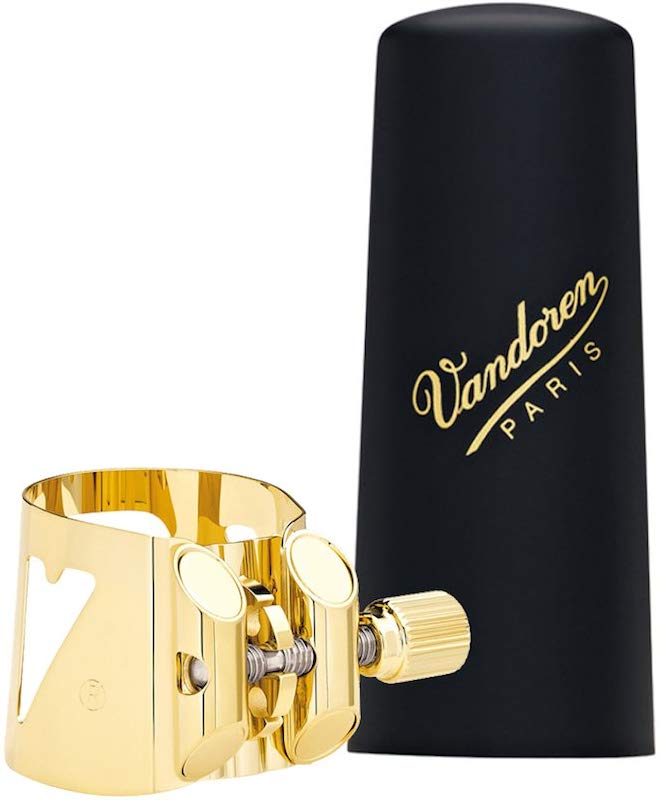
Vandoren Optimum M/O
- Similar to the Optimum; but, a lot lighter. (Mass of ligature can effect the tone and response slightly.)
- Comes in a few different platings. (Platings can effect the tone slightly.)
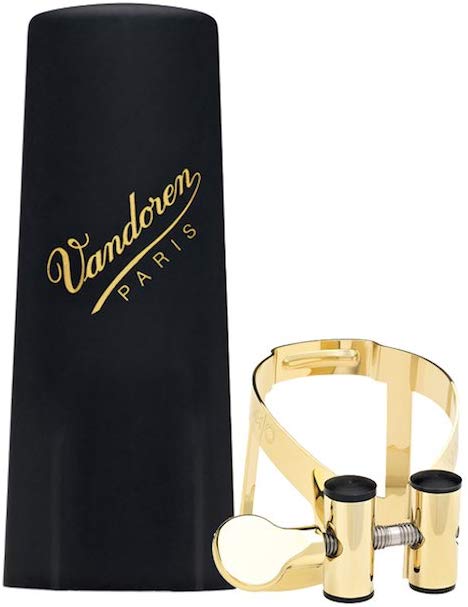
BG Tradition
A classic design that has been popular for decades.
Available in gold and silver plating.
⭐ Baritone
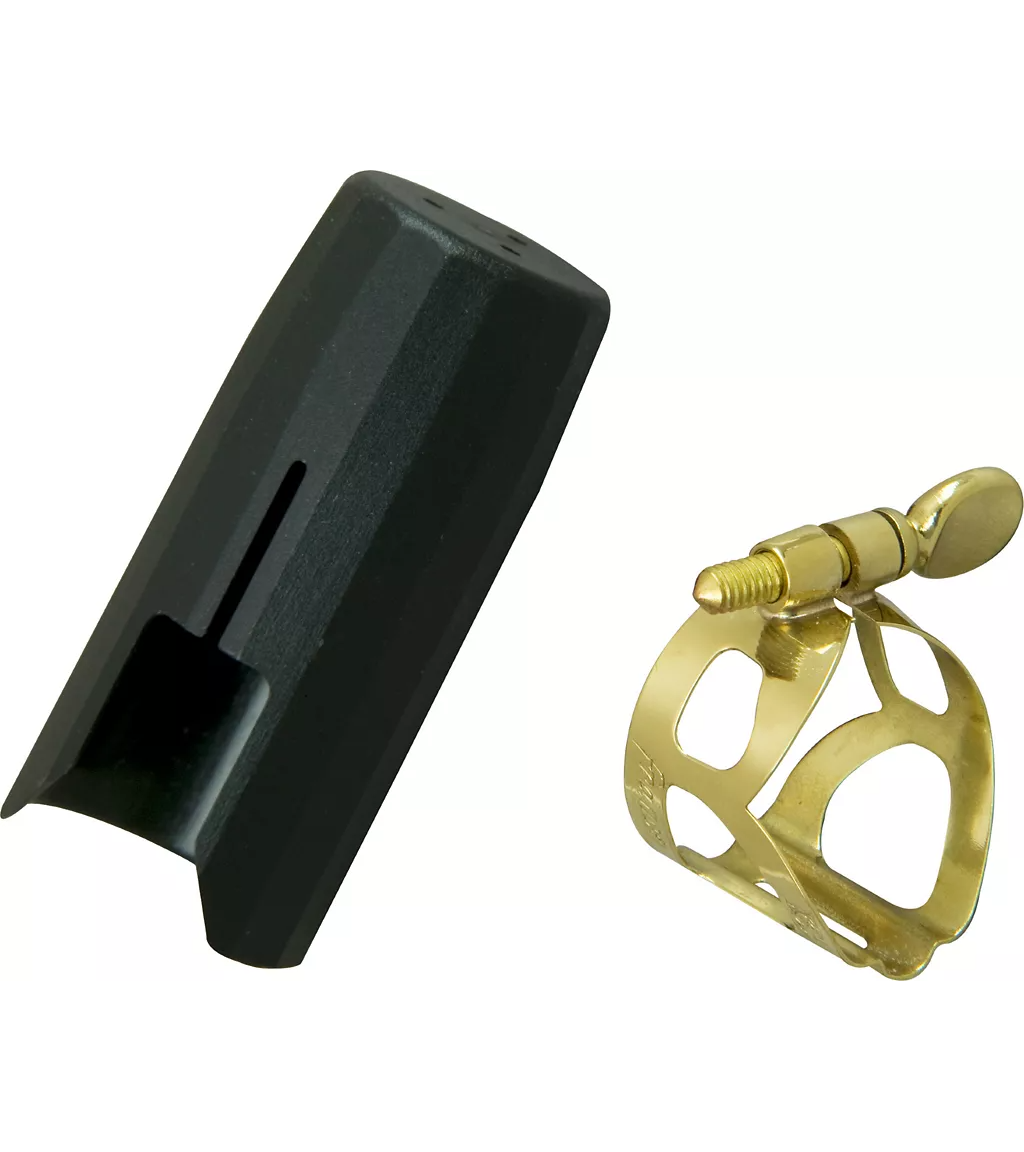
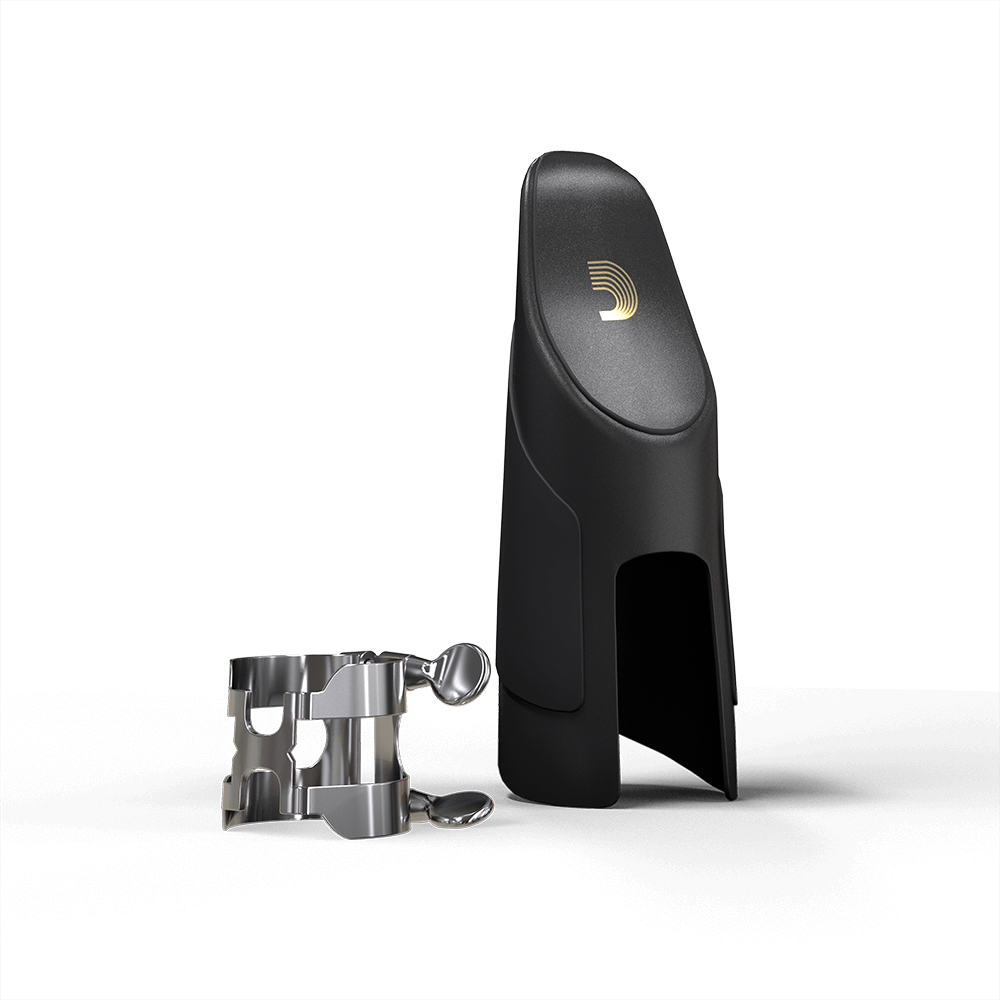
D’addario / Hartman H-Ligature
A two-screw design that was popular in the 1960s-90s; but, fell out of favor due to the original design’s durability issues.
D’addario revived the design with stronger joints at the common failure points and more consistent quality.
Available in silver and gold plating.
Ishimori (Woodstone) Metal Ligature
Several finishes available. Most classical players prefer the solid silver model.
- Very hard to buy in the USA.
Gold plated model is similar; but, exactly the same as solid silver. However, it’s easier to find in the USA.
All platings are incredibly expensive.
If you believe that all ligatures are the same, you haven’t tried an Ishimori. There is a noticeable difference (in a good way, I think) between other ligatures and an Ishimori. And there is also a small; but, perceptible difference between the different platings. I don’t know how this can be possible; but, I am not ruling out magic.
⭐ Alto
BG Duo
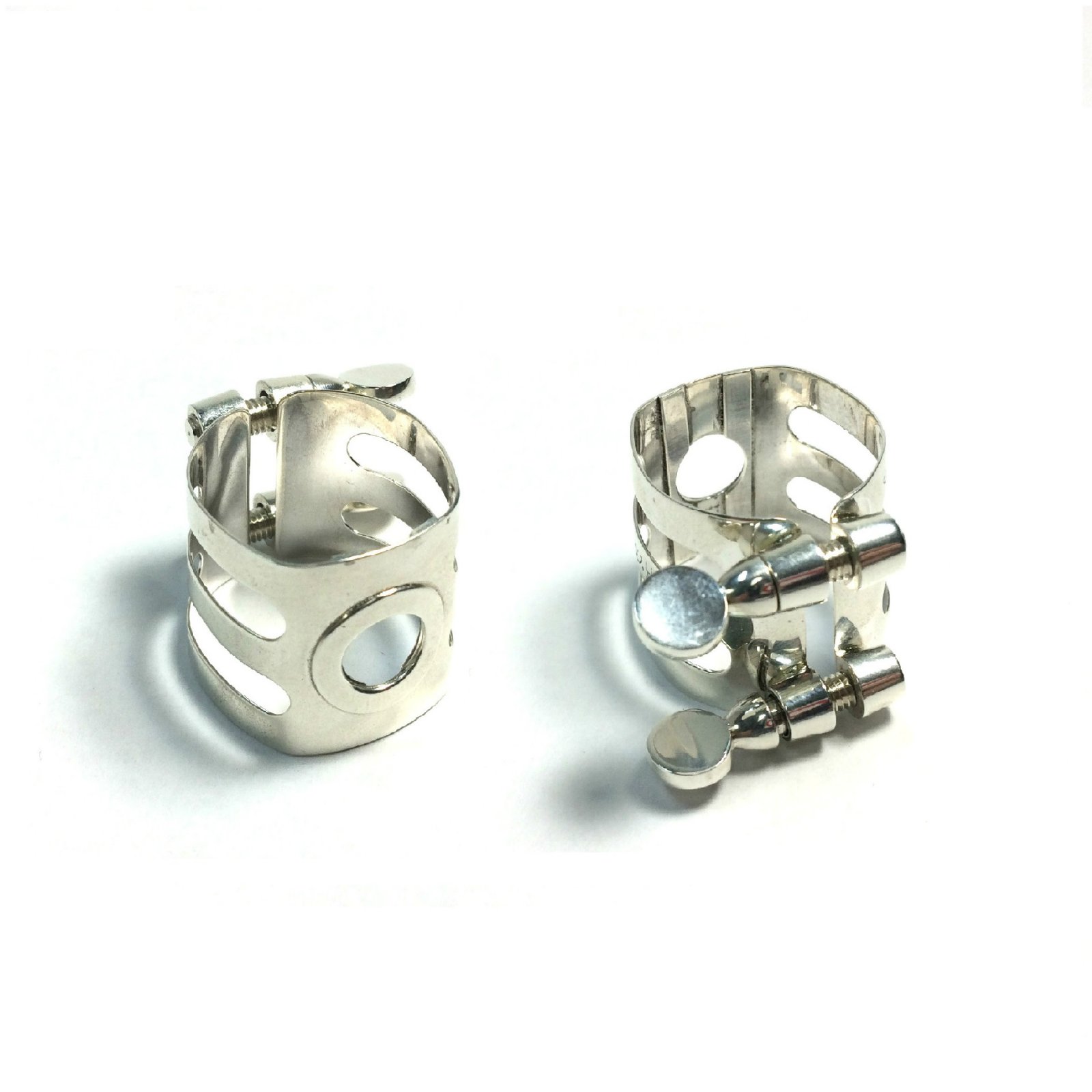
I like this model specifically on a Vandoren tenor saxophone hard-rubber mouthpiece. (T20, TL3, TL5) It is available for soprano and alto mouthpieces too. Comes in gold plated, silver plated, and rose gold plated finishes.
It is different from the Tradition in the way it makes contact with the mouthpiece. It only touches the mouthpiece in four small spots, which does something to the way the reed responds.
It is a “poor person’s” Ishimori. (I mean that in the least offensive way possible.) It’s not exactly the same; but, it’s about 85% the same at a much lower price. If you don’t play classical tenor a lot and you don’t want to shell out the big-bucks for an Ishimori, this will work well for you.
⭐ Tenor
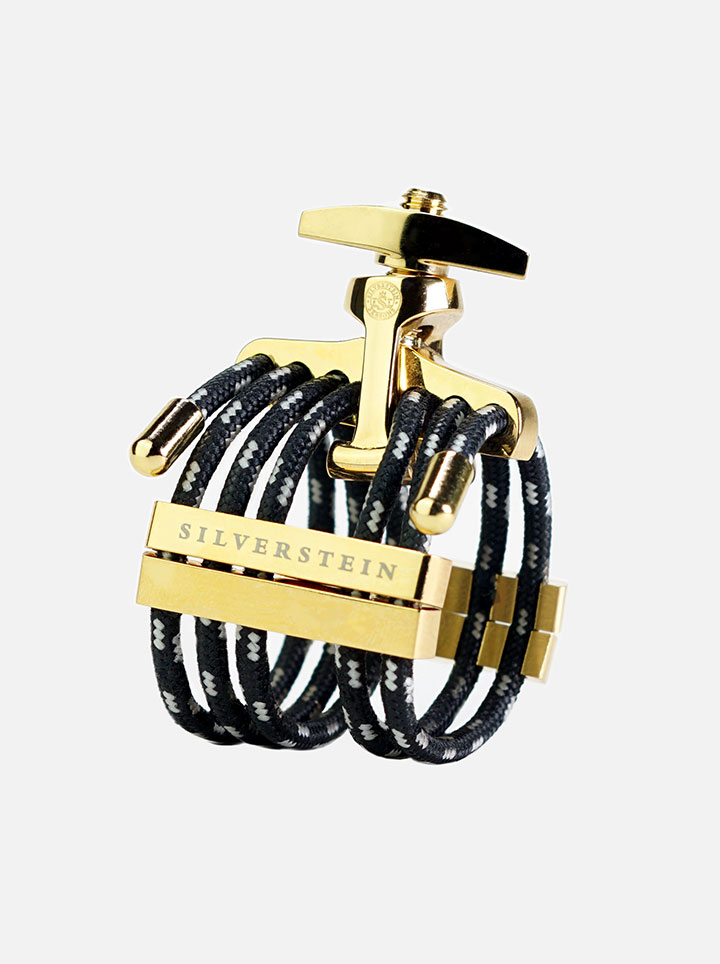
Silverstein CRYO4
This model works well when using synthetic reeds, such as Légère. It offers more levels of tightening, which keeps the synthetic reed from sliding on the table of the mouthpiece.
Unbelievably expensive for what it is. Look for a used one.
Ignore all of the hype in the marketing materials from Silverstein. It’s just a string ligature with a screw. I don’t notice a difference between models (remember that I’m the guy who can hear a difference between platings of Ishimori ligatures).
I choose the CRYO4 because I like the stability of five loops of cord rather than the four loops on the Quattro. The Original model is fine; but, two sets of adjusters on the CRYO4 give you a little more fine-tuning ability for the “grip”. The plating makes no difference.
⭐ Soprano